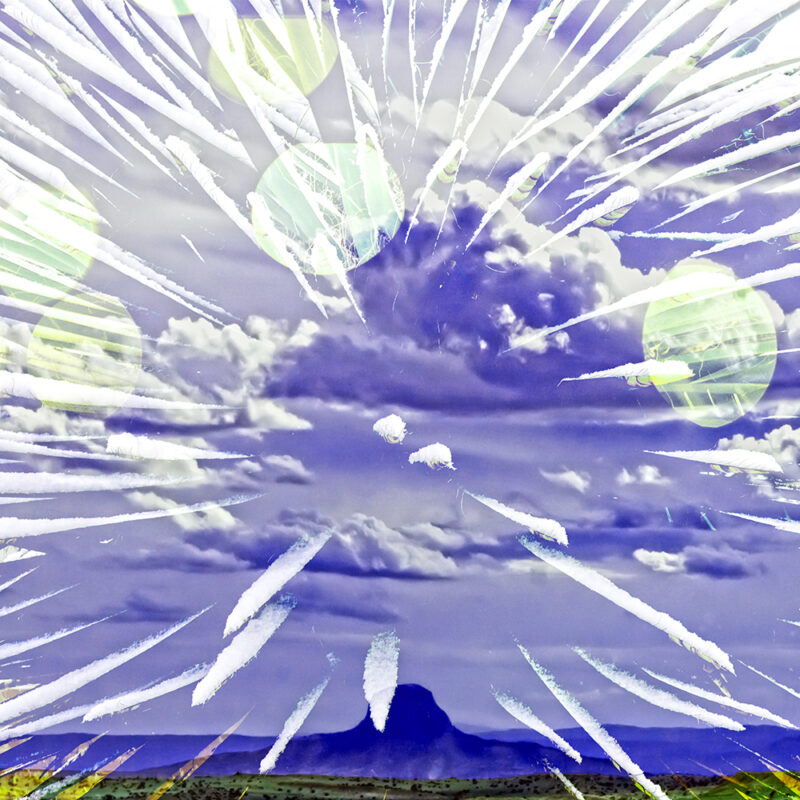
What alchemical process births the lightning we call inspiration? In those electric moments when consciousness catches fire, I sense the convergence of passion and purpose—a neurochemical tempest that transforms ordinary minds into vessels of creation. This sacred storm emerges when deep emotion collides with an active search for meaning, igniting synapses like a celestial forge where thoughts become molten and malleable.
We become manic architects in these moments, building cathedrals of ideas from the raw materials of electrical impulse and chemical cascade. Yet as I wander through this landscape of consciousness, I find myself troubled by the invisible influences that shape our inner weather—the synthetic compounds that flow through modern bloodstreams like foreign tributaries feeding into the river of awareness.
Our bodies have become unwitting laboratories where caffeine mingles with preservatives, where artificial dyes paint our perceptions in colors evolution never intended. These molecular immigrants combine in ways we barely understand, creating cocktails that alter the very foundations of how we see, think, and feel. Through this chemical lens, our collective consciousness shifts, and with it, the moral fabric of our civilization.
I don’t stand here as judge of this synthetic symphony—some of these compounds may indeed be gifts to human potential. But we’ve reached a threshold where discernment becomes sacred duty. Like gardeners tending a delicate ecosystem, we must learn to distinguish between the nutrients that feed consciousness and the toxins that muddy its waters. This requires not just scientific precision but cultural courage—the audacity to release what diminishes us, even when it brings comfort or profit.
What if we approached this chemical choreography with the same intentionality that Renaissance masters brought to their art? Imagine if we could isolate and amplify only those influences that truly serve human flourishing, engineering conditions for inspiration as carefully as we design our technologies. We might discover that consciousness itself is our greatest renewable resource, waiting to be cultivated with wisdom rather than polluted through ignorance.
Perhaps we stand at the edge of another great awakening—a time when humanity learns to tend the garden of awareness with unprecedented care. In mastering this inner alchemy, we might unlock potentials that have slumbered in human minds for millennia, creating the conditions for the next evolutionary leap since the Renaissance first taught us to see ourselves as creators rather than merely creatures.
The question isn’t whether we can shape consciousness through chemistry—we already do. The question is whether we’ll do so with the wisdom of gardeners or continue as careless experimenters, adding compounds to our collective bloodstream without understanding their effects on the sacred fire that makes us human.